Margaritas are funny. They feel simple. Tequila, lime, something sweet, salt. Done.
And yet… they’re also one of the easiest cocktails to mess up in a way that makes you think you just “don’t like margaritas.” When really you don’t like bad margaritas. The ones that taste like melted lime candy. Or straight tequila with a sad squeeze of citrus. Or a sugar bomb wearing a salt hat.
I’ve made all of these mistakes myself. More than once. Especially in the “I’m hosting people and talking too much and eyeballing everything” phase of life.
So here are the five biggest margarita mistakes I see (at home and in restaurants), plus the fixes that make a margarita taste bright, clean, and kind of stupidly refreshing.
(And yes, we’ll talk mixers too. Because a good mixer can be the difference between “eh” and “make another round.”)
Mistake #1: Using bottled lime juice (or sad limes)
A margarita lives and dies on acidity. The whole drink is basically a balancing act between tart, sweet, and the tequila’s bite.
Bottled lime juice usually tastes flat, dull, and a little metallic. It’s not “bad” in a dangerous way, it just makes your margarita taste like it gave up.
Even fresh limes can betray you if they’re old, hard, or stored wrong. You know the ones. Dry little rocks that give you 6 drops of juice and emotional damage.
The fix
Use fresh lime juice whenever you can.
A few tips that actually help:
- Roll limes firmly on the counter before juicing. It breaks down the membranes and you’ll get more juice.
- Buy limes that feel heavy for their size and have a little give.
- If you’re making a batch for a group, juice ahead of time but use it within a few hours, same day if possible.
And if you’re in “I need margaritas fast and I don’t want sticky hands” mode, this is where a clean ingredient margarita mix really earns its place. A good one should taste bright and natural, not like neon green syrup.
Charleston Mix (based in Charleston, SC) makes an all-natural Margarita Mix that’s meant for exactly this moment. No high-fructose corn syrup, no artificial flavors. Just… clean and punchy, the way a margarita should be.
Mistake #2: Going too sweet (or using the wrong sweetener)
A lot of margaritas are basically limeade with tequila. The sweetness hits first, then everything else shows up late. That’s why some people take one sip and feel like their teeth are wearing sweaters.
This happens when:
- You pour in too much agave or simple syrup.
- You rely on overly sweet “margarita mix” that’s mostly sugar.
- You skip orange liqueur and try to compensate with more sweetener (it never tastes the same).
The fix
Aim for balanced sweetness, not “dessert.”
If you’re mixing from scratch, a classic template that works:
- 2 oz tequila
- 1 oz lime juice
- 1/2 oz orange liqueur (like Cointreau or triple sec)
- 1/4 to 1/2 oz agave syrup (start small, adjust)
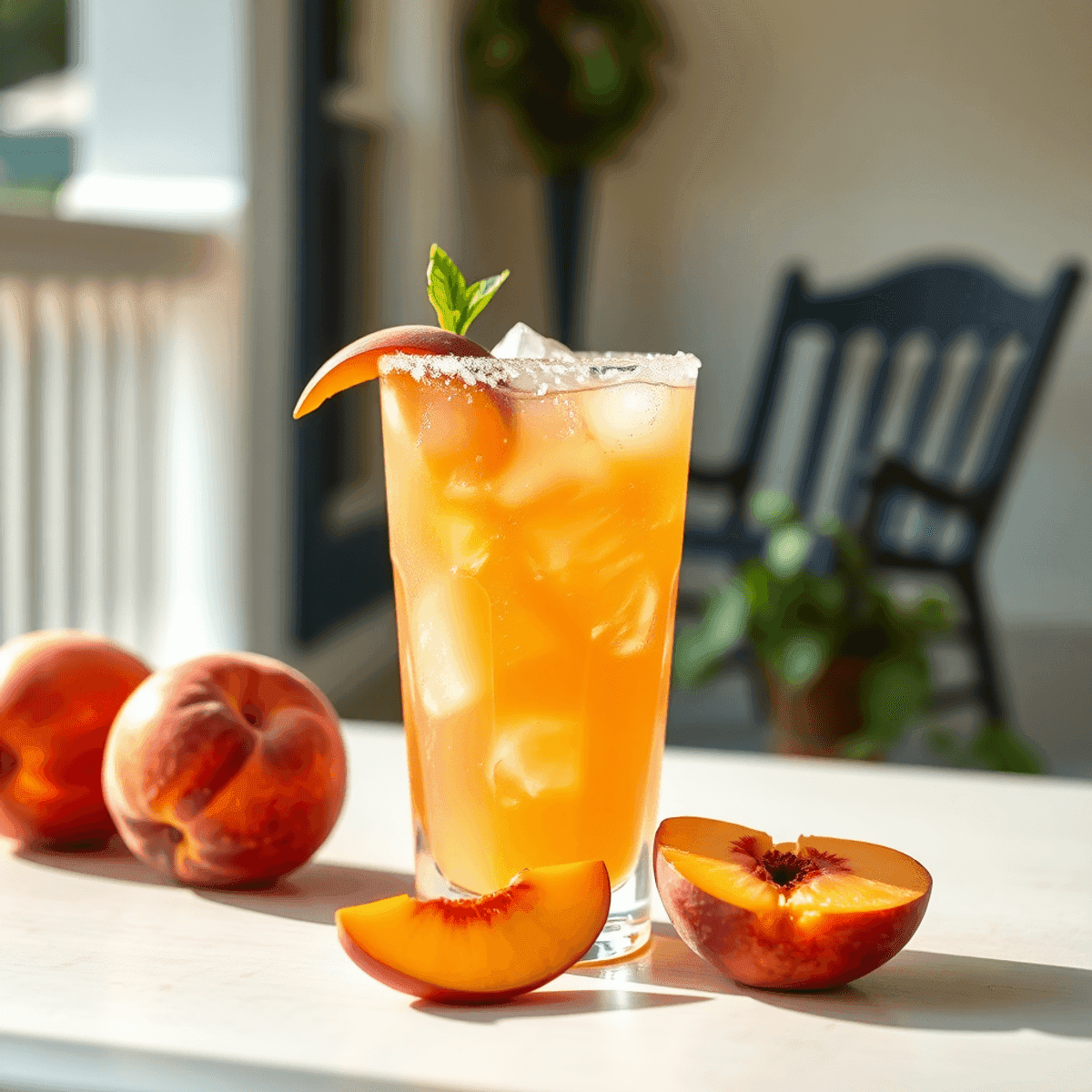
If you’re using a mixer, choose one that tastes like real citrus, not candy. Charleston Mix also has flavored options like Spicy (jalapeño) and Peach Margarita Mix, which are great when you want variety without turning the drink into syrup. The key is that the flavor feels layered, not sticky.
One more thing. If your drink is too sweet, don’t “fix” it by adding more tequila. Add more lime, or dilute with a little ice melt by shaking longer. Tequila is not a sweetener. (I say this like I haven’t tried.)
Image: Margarita ingredients laid out (tequila, limes, orange liqueur, agave)
Mistake #3: Not shaking hard enough (or skipping dilution)
This one is sneaky because it’s not about flavor at first. It’s about texture.
A margarita needs dilution. Not a lot, but enough to smooth the edges and bring everything together. If you lightly swirl it or do the “two polite shakes” thing, you’ll get a drink that tastes sharp, hot, and disconnected.
And if you build it over ice without shaking, it can taste strong and watery at the same time. Which is… not the vibe.
The fix
Shake like you mean it.
- Fill your shaker with ice (don’t be stingy).
- Shake hard for 10 to 15 seconds.
- Strain into a fresh glass with fresh ice.
If you’re doing frozen margaritas, the same concept applies. You need enough ice and enough blending time to get that consistent texture, not a half-slushy mess.
A really simple home bar upgrade here is using a proper shaker and a jigger. It’s boring advice, but it’s true. Eyeballing is how you end up with a tequila-forward lime puddle.
Image: Bartender shaking a cocktail shaker
Mistake #4: Using the wrong tequila (or blaming tequila for everything)
Let’s talk tequila, because people get intense about it.
The big issue isn’t that you need the most expensive bottle. It’s that you need a tequila that actually tastes like tequila, not a harsh mystery spirit.
Some cheaper tequilas (especially mixtos) can taste rough, and that roughness becomes very obvious in a margarita.
Also. If you pick a super funky, aggressively oaky tequila and expect it to behave like a clean citrus cocktail… it might fight you.
The fix
Use 100% agave tequila. That’s the baseline.
Then choose based on what you like:
- Blanco: crisp, bright, the classic margarita choice.
- Reposado: a little smoother, slightly richer, great with spicy or fruit variations.
- Añejo: can be delicious, but usually better for sipping or spirit-forward drinks.
If you want one easy move: pick a decent blanco you don’t hate sipping. If it tastes okay on its own, it will usually make a good margarita.
And if your margarita tastes “off,” don’t automatically blame the tequila. It’s often the lime, the sugar, or the dilution. Or all three, hanging out together causing problems.
Image: Tequila bottle and glasses with lime
Mistake #5: A bad salt rim (too much, too fine, or put on wrong)
The salt rim is iconic. It’s also one of the easiest ways to ruin the first sip.
If the rim is too thick, your mouth hits salt before it hits drink. Now everything tastes muted and aggressive.
If the salt is super fine (table salt style), it can cling like dust and overload your palate instantly.
And if you rim the whole glass, you’re basically forcing every sip to be salty. Which sounds fun until it isn’t.
The fix
A better salt rim looks like this:
- Use kosher salt or a flaky salt. Even better, a margarita salt blend if you like that vibe.
- Rim half the glass, not all the way around.
- Use lime to wet the rim lightly. You want it tacky, not dripping.
- Dip gently. Don’t press the glass into a bowl like you’re breading chicken.
Also, consider salt as an ingredient, not decoration. If your margarita is already balanced and bright, you might not even want a rim. Sometimes one tiny pinch of salt in the shaker is cleaner than a full salt halo.
Image: Close-up of a half-salted margarita rim
A simple margarita recipe that rarely fails
If you want a go-to, here’s a very workable home version. You can scale it up, keep it consistent, and it won’t punish you if you’re slightly off.
Classic shaker margarita
- 2 oz tequila (100% agave)
- 1 oz lime juice (fresh)
- 3/4 oz orange liqueur
- 1/4 oz agave syrup (optional, adjust)
- Ice
Shake hard with ice for 10 to 15 seconds. Strain over fresh ice. Half salt rim if you want.
For those looking for a more detailed recipe, consider checking out this classic margarita recipe that provides further insights into making this beloved drink.
If you want the shortcut version that still tastes clean, use a high-quality mixer and good tequila. That’s honestly how a lot of people keep margaritas consistent for groups without doing the whole “juice 20 limes and lose your mind” thing.
Charleston Mix has Classic, Spicy, and Peach Margarita Mixes, and they’re built around that clean-ingredient idea. If you’re curious, you can find them at charlestonmix.com and there’s also a store locator if you prefer to grab locally.
Quick cheat sheet: Margarita problems and fixes
- Too tart / sharp? Add a touch more sweetener, or shake longer for dilution.
- Too sweet? Add more lime, reduce mixer/syrup, and avoid sugary mixes.
- Too strong / “hot”? Shake harder, add dilution, check your ratios.
- Tastes flat? Fresh lime, a pinch of salt, or a better tequila.
- Salty in a bad way? Half rim only, use kosher salt, lighter application.
Wrap up (so your next margarita is the good kind)
Most margarita mistakes aren’t dramatic. They’re small, boring things. Old limes. Too much sugar. Not enough shaking. A salt rim that goes rogue.
But the fixes are simple. And once you dial them in, margaritas get really fun. Like, dangerously easy to make “just one more” for friends.
If you want an easy upgrade without turning your kitchen into a citrus crime scene, use a mixer that actually tastes like real ingredients. That’s the whole point behind Charleston Mix, and it’s why their margarita line works well for quick weeknight drinks, parties, and even mocktail-style pours if you want to keep it lighter.
Now. Go make one that tastes like fresh lime, cold tequila, and a little sunshine. The way it’s supposed to.
FAQs (Frequently Asked Questions)
Why do some margaritas taste bad or unappealing?
Many margaritas taste bad because of common mistakes like using bottled lime juice instead of fresh, over-sweetening the drink, or not shaking it properly. These errors can make margaritas taste flat, overly sweet, or unbalanced, leading people to think they don't like margaritas when they just don't like bad ones.
What is the importance of fresh lime juice in making a good margarita?
Fresh lime juice is crucial because a margarita's flavor depends on a balance between tartness, sweetness, and tequila's bite. Bottled lime juice often tastes flat or metallic, which dulls the drink. Using fresh limes that are heavy with some give and rolling them before juicing yields more flavorful juice and a brighter, cleaner margarita.
How can I avoid making my margarita too sweet?
To avoid overly sweet margaritas, use balanced amounts of sweetener like agave syrup starting small (1/4 to 1/2 oz), include orange liqueur such as Cointreau or triple sec for layered flavor, and choose mixers that taste natural rather than candy-like. If your drink is too sweet, fix it by adding more fresh lime juice or diluting with ice melt rather than adding more tequila.
Why is shaking the margarita properly important?
Proper shaking is essential for texture and dilution. Shaking hard for 10 to 15 seconds with plenty of ice ensures the drink is smooth and well blended. Insufficient shaking leads to a sharp, hot, disconnected taste or a watery yet strong drink. Proper shaking balances flavors and creates that refreshing mouthfeel.
Can I use pre-made margarita mixes? Are they any good?
Yes, pre-made mixes can be useful especially when you need speed or convenience. However, quality varies widely. Choose clean ingredient mixes that taste bright and natural without artificial flavors or high-fructose corn syrup. For example, Charleston Mix offers all-natural options including classic, spicy jalapeño, and peach flavors that maintain balance without excessive sweetness.
What are some tips for selecting limes for the best margarita?
Pick limes that feel heavy for their size with a little give when squeezed; these are juicier and fresher. Avoid dry, hard limes as they yield little juice and poor flavor. Rolling limes firmly on the counter before juicing helps break down membranes to extract more juice for a brighter cocktail.
Good questions
Before you pour.
Why do some margaritas taste bad or unappealing?
Many margaritas taste bad because of common mistakes like using bottled lime juice instead of fresh, over-sweetening the drink, or not shaking it properly. These errors can make margaritas taste flat, overly sweet, or unbalanced, leading people to think they don't like margaritas when they just don't like *bad* ones.
What is the importance of fresh lime juice in making a good margarita?
Fresh lime juice is crucial because a margarita's flavor depends on a balance between tartness, sweetness, and tequila's bite. Bottled lime juice often tastes flat or metallic, which dulls the drink. Using fresh limes that are heavy with some give and rolling them before juicing yields more flavorful juice and a brighter, cleaner margarita.
How can I avoid making my margarita too sweet?
To avoid overly sweet margaritas, use balanced amounts of sweetener like agave syrup starting small (1/4 to 1/2 oz), include orange liqueur such as Cointreau or triple sec for layered flavor, and choose mixers that taste natural rather than candy-like. If your drink is too sweet, fix it by adding more fresh lime juice or diluting with ice melt rather than adding more tequila.
Why is shaking the margarita properly important?
Proper shaking is essential for texture and dilution. Shaking hard for 10 to 15 seconds with plenty of ice ensures the drink is smooth and well blended. Insufficient shaking leads to a sharp, hot, disconnected taste or a watery yet strong drink. Proper shaking balances flavors and creates that refreshing mouthfeel.
Can I use pre-made margarita mixes? Are they any good?
Yes, pre-made mixes can be useful especially when you need speed or convenience. However, quality varies widely. Choose clean ingredient mixes that taste bright and natural without artificial flavors or high-fructose corn syrup. For example, Charleston Mix offers all-natural options including classic, spicy jalapeño, and peach flavors that maintain balance without excessive sweetness.
What are some tips for selecting limes for the best margarita?
Pick limes that feel heavy for their size with a little give when squeezed; these are juicier and fresher. Avoid dry, hard limes as they yield little juice and poor flavor. Rolling limes firmly on the counter before juicing helps break down membranes to extract more juice for a brighter cocktail.